

Bariatric Transit 24 Inch Wheelchair
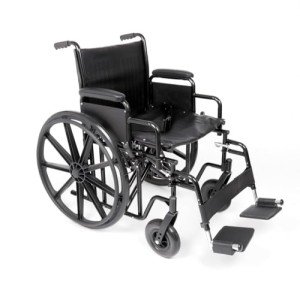
A bariatric wheelchair is perfect if you require a chair with a larger seat width and greater weight capacity. This durable wheelchair has a nylon padded seat that extends 24 inches wide with swing-away footrests. It has significant 4 caster mobility and attendant locks for safe stops. My Source -duty slide tube frame can support up to 450 pounds.
Weight Capacity
When choosing a wheelchair for yourself or for a liked one, it is very important to think about the weight capacity. Basic wheelchairs can accommodate as much as 250 pounds, but bariatric chairs have the ability to support up to 700 pounds. This difference in capacity is the main factor that bariatric wheelchairs are stronger and heavier than basic designs.
To help motorists safely transport passengers who use bariatric wheelchairs, it is necessary to have lorries geared up with proper equipment. This consists of wheelchair lifts and ramps that can manage the increased size and weight of the chair. Additionally, motorists ought to get training on how to steer these large mobility aids.
The Medline folding additional broad bariatric transport wheelchair has a spacious 24" seat and a carbon steel frame with rust- and chip-resistant chrome plating. It also includes easy-to-clean vinyl upholstery and swing-away footrests with a push-button adjustable height function. This heavy-duty wheelchair has a weight capacity of 500 pounds.
When picking a wheelchair, it is essential to request suggestions from a health care service provider or mobility professional. They can examine your physical condition and advise the finest mobility service for you. They can also help you figure out if Medicare or private insurance coverage covers the cost of your wheelchair.
Wheelchair Frame
A wheelchair frame is the primary support group that holds the other parts of the chair. The frames are made from a variety of materials, consisting of aluminum, titanium, and carbon fibre. Rigid manual wheelchairs are developed with efficiency in mind and utilize the concepts of sports bike frames-- triangles are among the greatest shapes available and engineers have used this knowledge to design frames that produce a rigid system that utilizes less energy for propulsion than more versatile frames.
The choice of wheelchair frame is often based upon the needs and top priorities of the client as evaluated by their OT/PT or other clinician. For instance, a front frame angle is an essential configuration as it impacts how well the client can transfer or self-catheterize. Also the seat to footplate height is an essential aspect for positioning and balance.
A lot of wheelchairs have the option to be configured with a fixed or reclining frame. For those who require a more stable chair for stability or for transport in vehicles, a repaired frame is best. This is particularly true for those who require a bariatric chair with a broader seat width or higher weight capacity.
Folding frames have a standard "cross-brace" or X style that enables the chair to fold by bringing the side rails together, although there are other designs offered for folding chairs, such as a scissor brace frame (Kuschall Champion) which minimizes the variety of moving parts and for that reason can be lighter than the cross-brace designs. Other choices for folding frames consist of swing-away legrests and removable arms.
Lots of producers likewise use a variety of choices for the wheelchair frame front end, such as the frame angle. A 90 degree frame angle places the feet at a natural position for pushing, while a 75 degree frame angle positions the feet more forward. The choice of frame angle ought to be carefully considered as the more forward position might make it difficult for the wheelchair user to get over challenges or may trigger a wheel catching on dropped curbs and creating vibration.
Rigid frames are typically made from aluminium, although some models have a dual tube construction that is similar to the sport frames used in biking, to help increase strength and stability. Carbon Fibre is another material utilized in the frame building of some wheelchairs, offering an even stiffer and lighter frame.